
6 Things You Might Not Know About the U.S. Army Airborne & Special Operations Museum
Whether you’ve walked through the U.S. Army Airborne & Special Operations Museum hundreds of times or have never stepped through our doors, there’s always more to discover.
In honor of the Museum’s 26th anniversary, we’re taking a closer look at the history, design, and details that make the ASOM unique.
From the date we opened our doors to the artifacts the building was designed around, here are six things you might not know about the Airborne & Special Operations Museum.
1. Our Opening Date Was No Coincidence
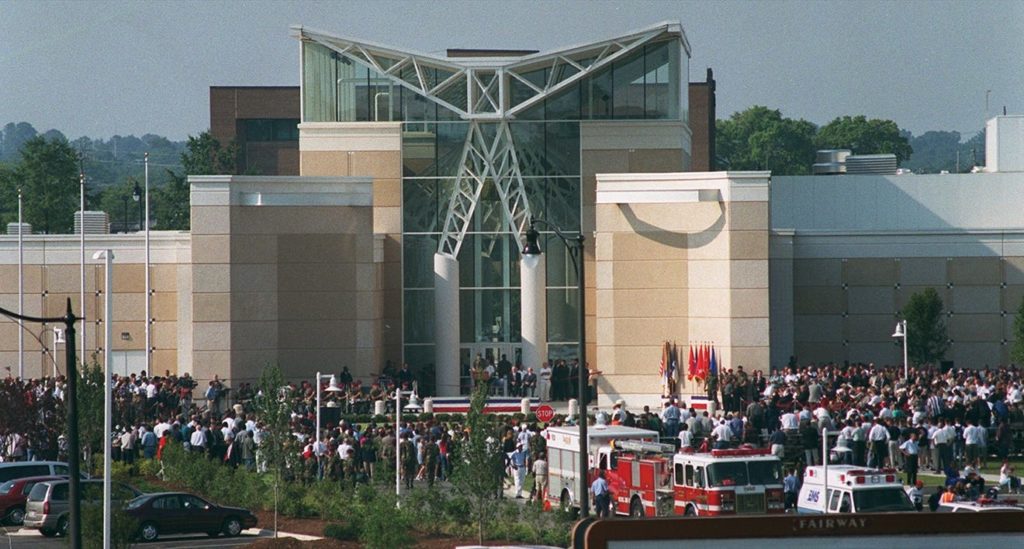
The ASOM opened its doors to the public on August 16, 2000 — a significant date in Airborne history.
The Museum’s opening coincided with the 60th anniversary of the original Test Platoon’s first parachute jump, connecting the Museum’s beginning to the very origins of the U.S. Army’s Airborne tradition.
2. The Building Was Designed to Tell a Story

Long before the first artifact was placed on display, the Museum’s architecture was carefully designed to reflect the history inside.
Designed by Winston-Salem native Michael West, the building’s exposed steel rafters were inspired by the wingspan of a C-47 aircraft and the towers from which fledgling paratroopers make their first jumps.
Even the structure itself pays tribute to the Soldiers and aircraft at the heart of the Museum’s story.
3. There’s a Historic Tree on the Museum Grounds
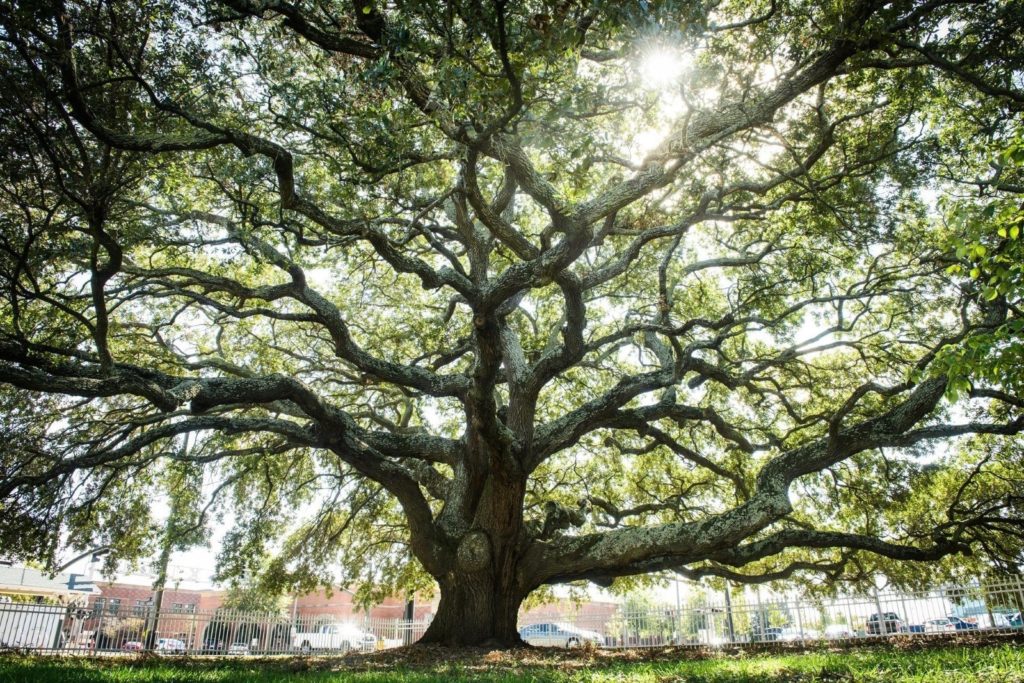
The Liberty Tree standing in the far corner of the Museum’s garden carries a story that reaches all the way back to the American Revolution.
On June 20, 1775, fifty-five local patriots formed the Liberty Point Resolves, signing a document pledging their lives and fortunes to the Continental Congress in opposition to the tyranny of King George III.
According to local tradition, the signed resolution was then posted on the Liberty Tree — more than a year before the Declaration of Independence was signed.
Today, the tree serves as a reminder of the spirit of those who were willing to stand, serve, and sacrifice for something greater than themselves.
4. The Museum Was Built Around Two Massive Artifacts
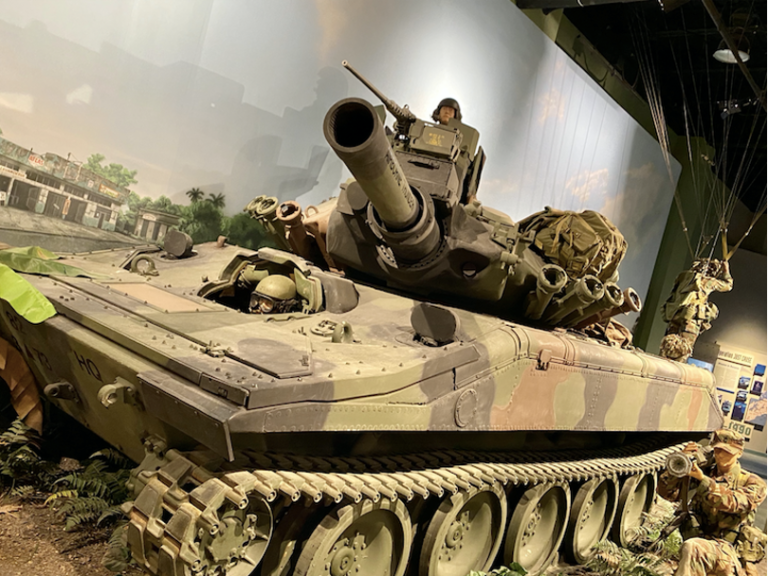
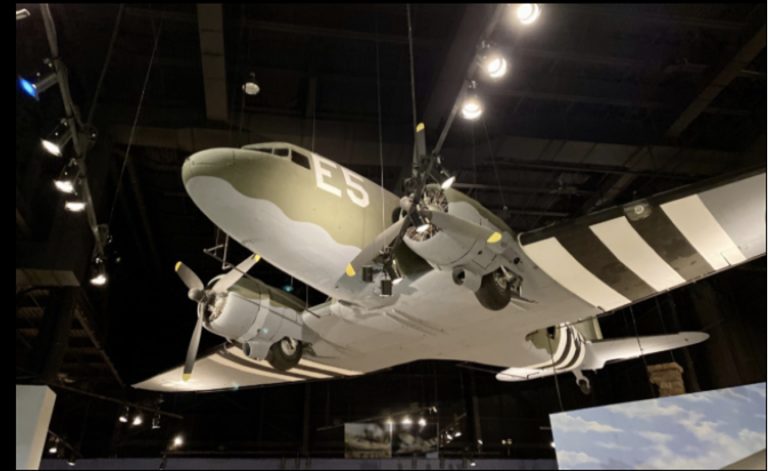
It’s not every day that a building has to be designed around its exhibits.
Because of the sheer size of the M551 Sheridan Tank and the C-47 “Skytrain,” the ASOM was actually designed and constructed around these two historic artifacts.
In other words, these pieces of history didn’t simply move into the Museum — the Museum was built to accommodate them.
5. Two Parachutes. Two Eras. One Story.
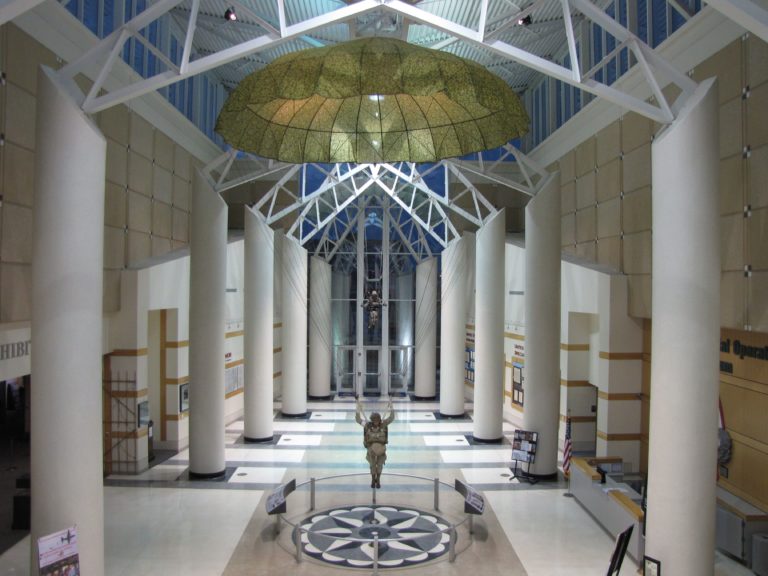
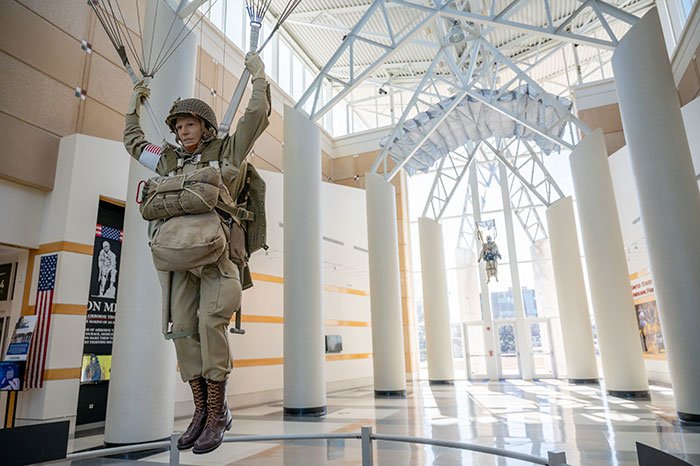
Look up when you enter the Museum’s lobby and you’ll see two fully deployed parachutes suspended above you.
The WWII-era T-5 round parachute represents the origins of Army Airborne units and the integration of Airborne forces into conventional warfare.
Beside it, the MC-4 square parachute represents the evolution of modern Special Operations forces and the unconventional missions they continue to undertake.
Displayed together, the two parachutes tell a larger story: the evolution of Airborne infiltration and the Soldiers across generations who continue to operate as part of the broader Airborne and Special Operations community.
6. Our Mission Goes Beyond Preserving History

The Museum isn’t simply a place to look at artifacts.
The mission of the U.S. Army Airborne & Special Operations Museum is to engage, educate, and inspire the public through the history and legacies of Airborne and Special Operations Soldiers.
Every artifact, photograph, aircraft, and story inside the Museum serves a greater purpose: to ensure the sacrifices and achievements of these Soldiers are remembered and understood by generations to come.
And after 26 years, there are still countless stories waiting to be discovered.
Come see what you might have missed.