Operation GOTHIC SERPENT
Remembering the Battle of Mogadishu
Two Black Hawks down. A fight to reach the fallen. A legacy of courage that endures.
Before the battle.
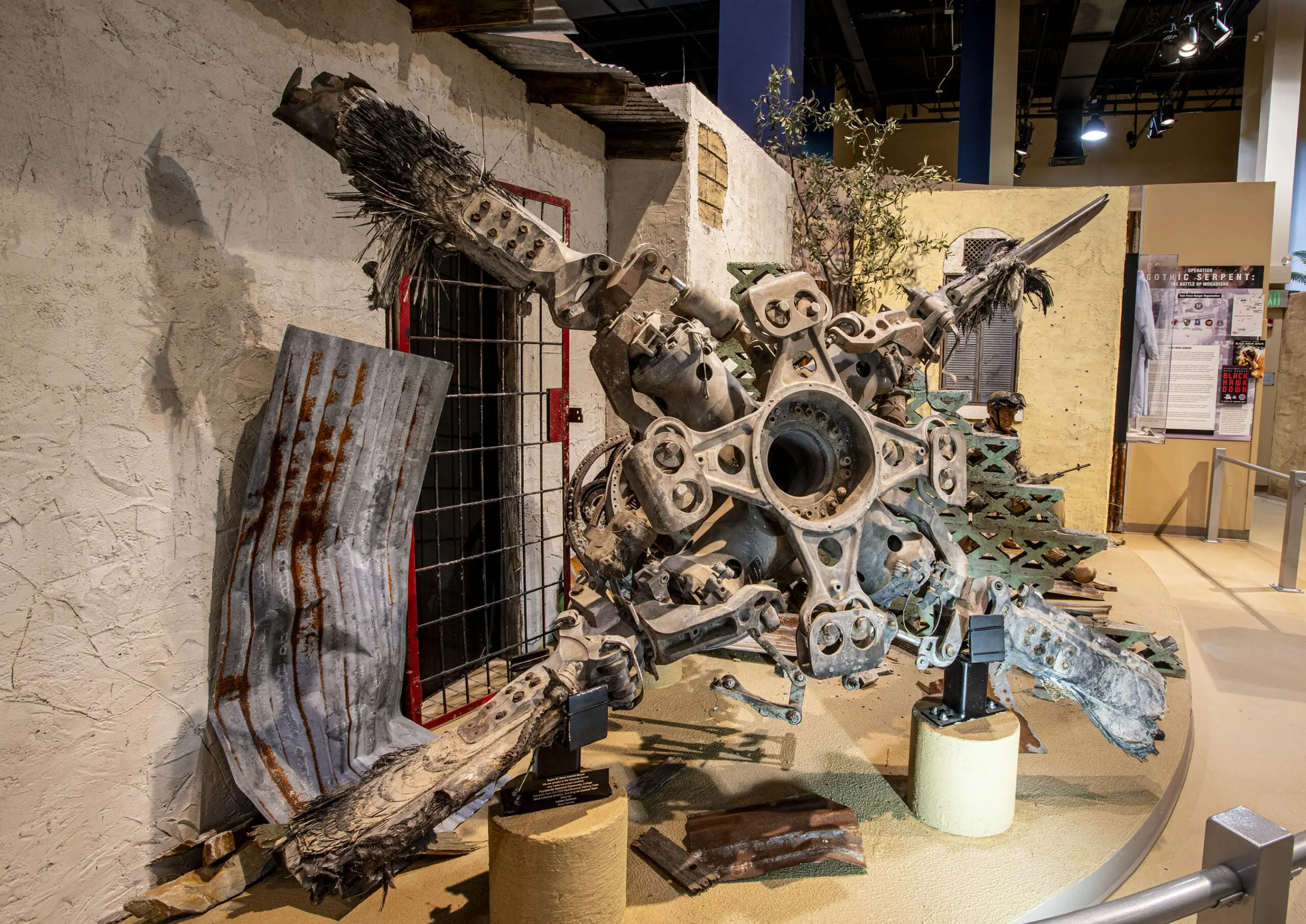
In 1992, the U.S. partnered with the United Nations to launch a humanitarian mission aimed at stopping widespread starvation in Somalia. However, shortly after the mission began, Somali warlord Mohamed Farrah Aidid’s militias began attacking U.N. peacekeepers, prompting a strategic shift. This pivot led to the formation of Task Force RANGER, operating under Operation GOTHIC SERPENT, to capture Aidid and his top commanders.
The mission becomes a fight for survival.
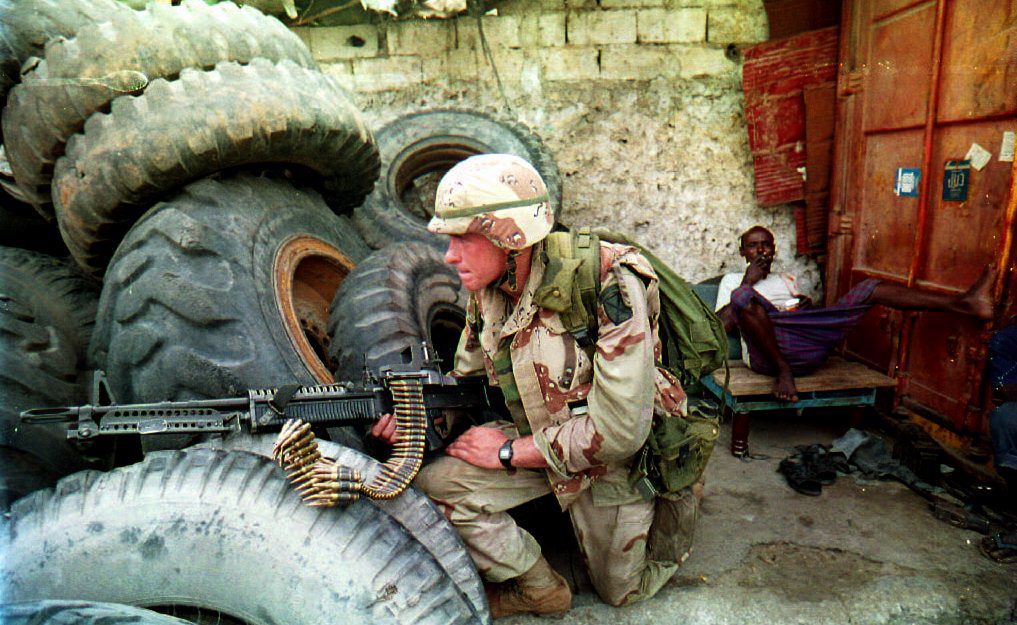
On October 3, 1993, U.S. forces launched a snatch-and-grab mission to detain two of Aidid’s key lieutenants, involving 19 aircraft, 12 vehicles, and approximately 160 troops. Around 4:20 pm, tragedy struck when Super 61, a Black Hawk helicopter piloted by CW3 Cliff “Elvis” Wolcott and CW3 Donovan “Bull” Briley, was hit by an RPG-7 and crashed. Both pilots were killed, and two crew chiefs were severely injured.
Two Special Operations snipers, Staff Sergeant Daniel Busch and Sergeant Jim Smith, survived the crash and defended the site. MH-6 Little Bird “Star 41,” piloted by CW3 Karl Maier and CW4 Keith Jones, who was later promoted to CW5, landed nearby, and Jones courageously carried Busch to the safety of the helicopter under heavy fire, while Maier provided cover. Despite sustaining severe wounds, Busch heroically defended the site until his evacuation; however, he succumbed to his injuries later.
Another Black Hawk. Another fight to reach them.
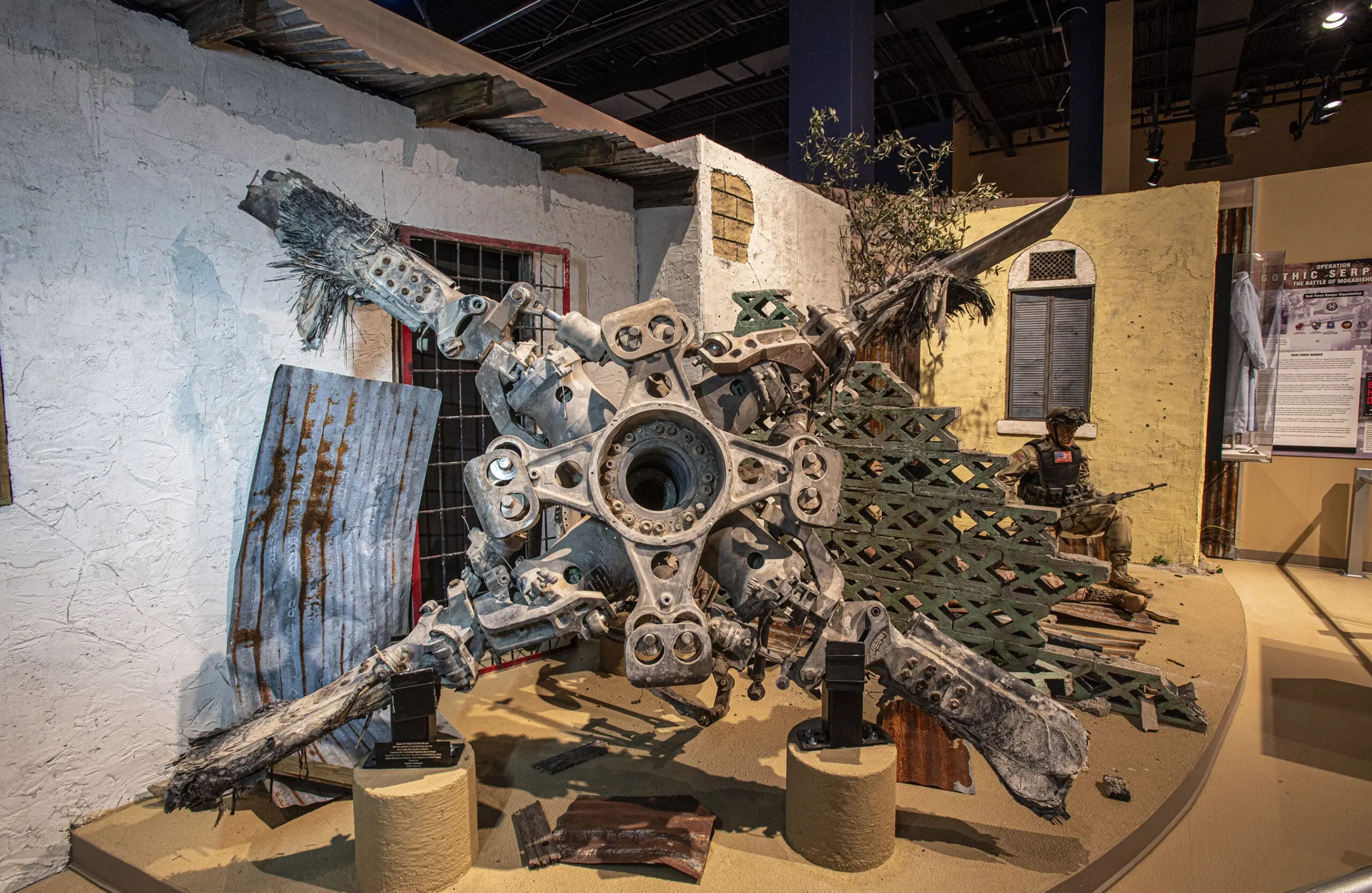
While a rescue operation was underway for Super 61, miscommunication between the ground convoy and the assault team led to a critical delay. During this confusion, Super 64, piloted by CW3 Michael Durant, who was later promoted to CW4, was also shot down by an RPG-7 around 4:40 pm. Most of the assault team rushed to rescue Super 61’s crew, leaving them trapped under heavy fire for the night, despite air support.
They volunteered to go in.
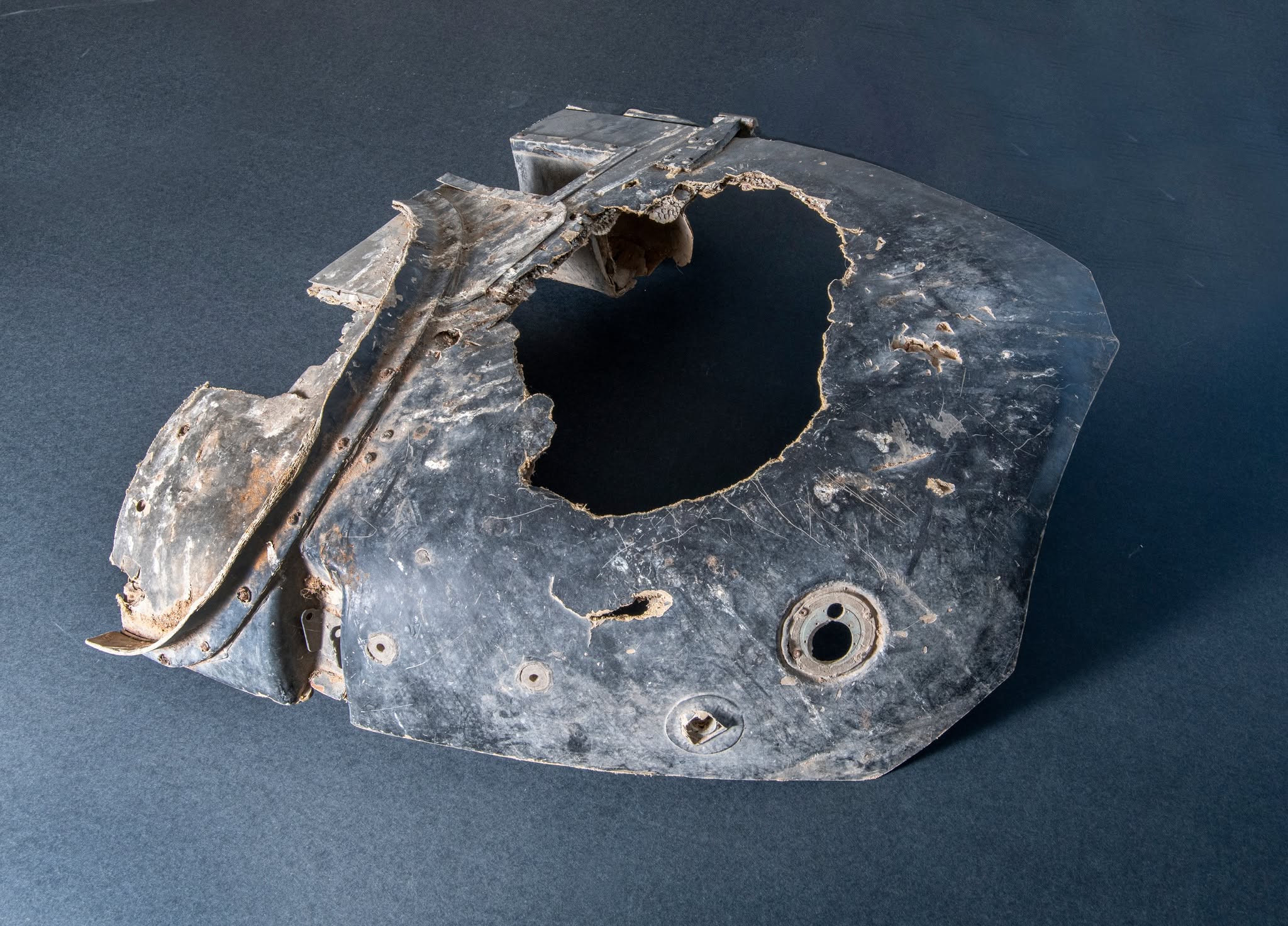
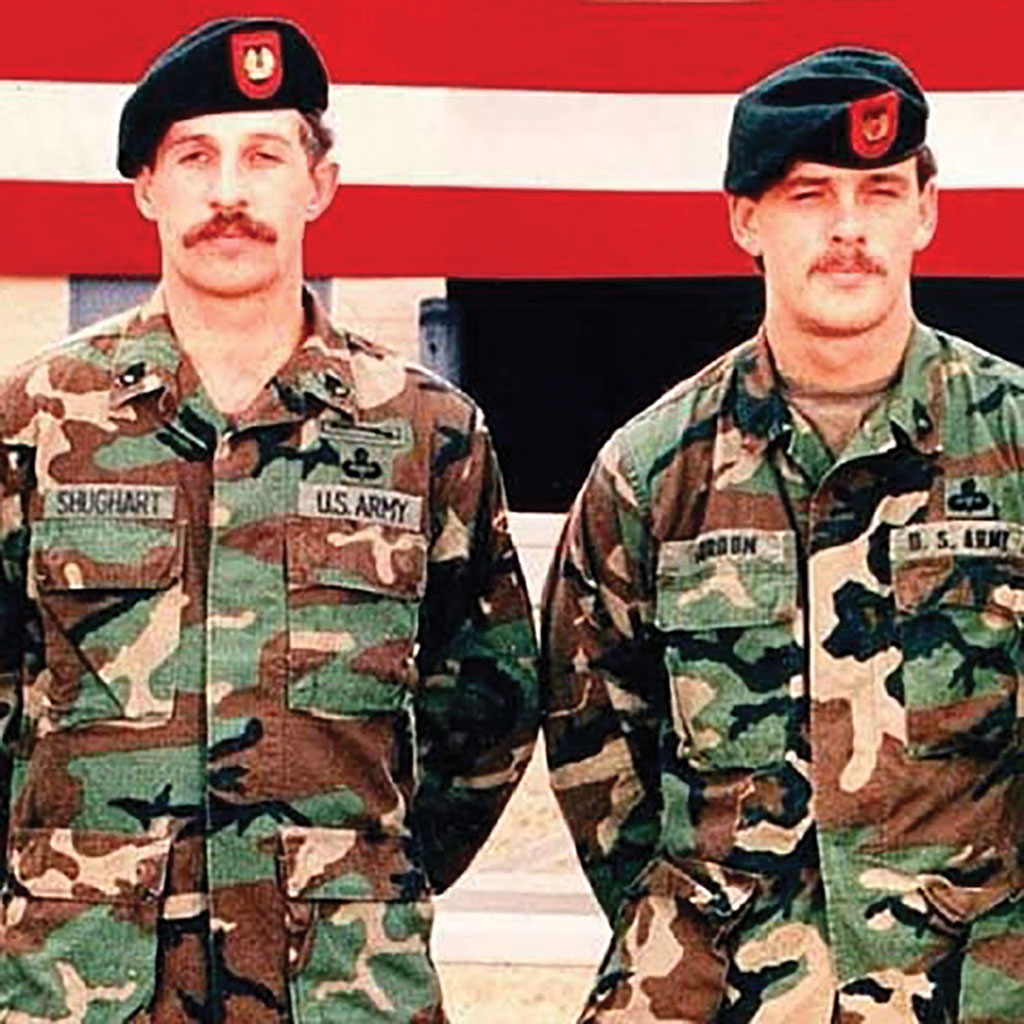
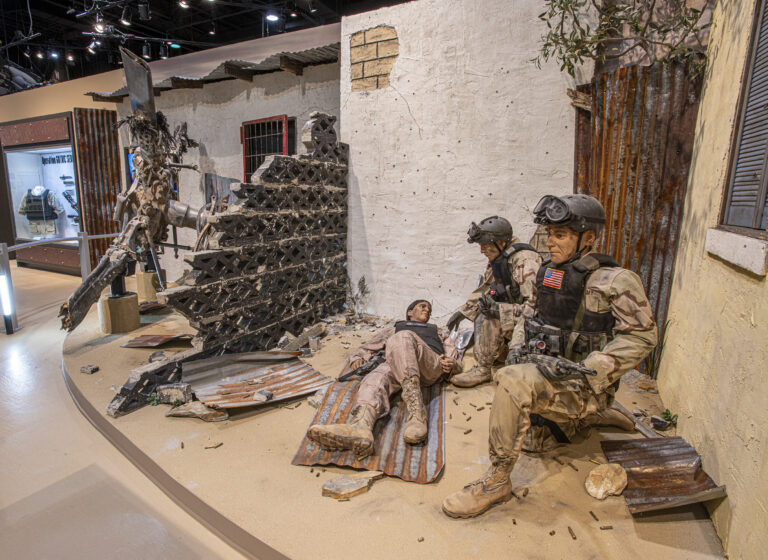
At the site of Super 64’s crash, Master Sergeant Gary Gordon and Sergeant First Class Randy Shughart, both elite snipers, volunteered to be inserted to protect the crash site. After being denied permission twice, their third request was approved, and they heroically held off the advancing Somali militia, inflicting heavy casualties. Super 62 provided fire support until it was also damaged by an RPG, managing to land safely afterward.
When Gordon was killed, Shughart handed his weapon to Durant and continued to hold off the mob for about 10 more minutes before being overrun and killed. The Somali militia captured Durant, who was nearly beaten to death before being taken prisoner. For their extraordinary bravery and self-sacrifice, MSG Gary Gordon and SFC Randy Shughart were posthumously awarded the Medal of Honor, the first to be granted since the Vietnam War.
The battle ended. Their legacy did not.
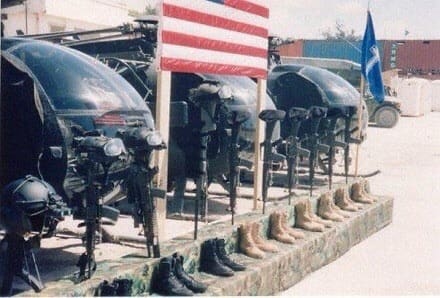
The battle left a lasting impact, with powerful images of Somali mobs dragging the bodies of fallen U.S. Soldiers broadcasted worldwide. Despite overwhelming odds, a force of roughly 100 American troops held off over 1,000 armed Somali fighters in an intense, coordinated ambush until their rescue. The October 3–4 battle resulted in 18 American deaths and over 70 wounded, demonstrating the relentless courage and determination of the U.S. forces who fought.
SFC Matt Rierson, a Special Operations Soldier who survived the battle, was killed in a mortar attack on the airfield on October 6, 1993, during the memorial for those fallen on October 3–4. His death brought the total to 19 American Soldiers killed in the battle and its immediate aftermath.
Behind every name, a life. A family. A brother in arms.
The story of Mogadishu lives on through the Soldiers who served, the lives lost, and the artifacts that carry their history forward.
Keep their legacy alive.
Help the U.S. Army Airborne & Special Operations Museum Foundation preserve the artifacts, share the stories, and honor the sacrifices of America’s Airborne and Special Operations Soldiers.