
More Than a Medal: The Story Behind a Purple Heart in the Museum’s Collection
Each year on August 7, Purple Heart Day honors the men and women wounded or killed as a result of enemy action while serving in the United States Armed Forces.
The decoration’s history reaches back to the American Revolution.
The Origins of the Purple Heart
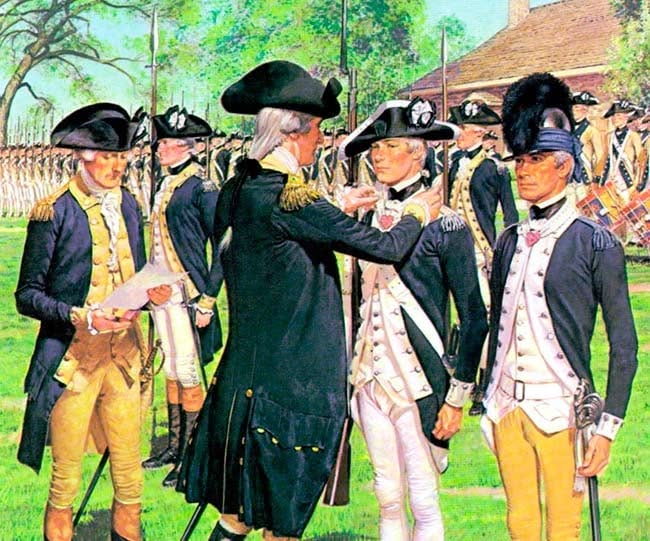
On August 7, 1782, General George Washington, commander in chief of the Continental Army, established the Badge of Military Merit. Intended for enlisted Soldiers and noncommissioned officers, it recognized unusual gallantry, extraordinary fidelity and essential service.
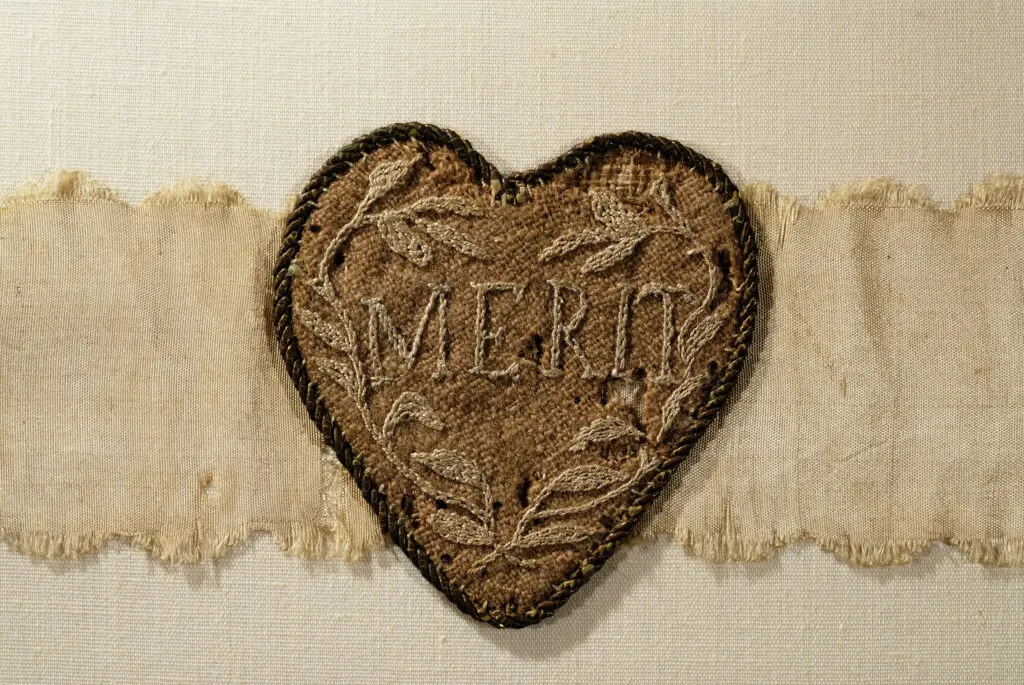
The original badge was a heart-shaped piece of purple cloth or silk edged with narrow lace or binding and worn over the left breast. Only three recipients of the Revolutionary War-era badge have been verified: Sergeants Elijah Churchill, William Brown and Daniel Bissell.
After the Revolutionary War, the decoration fell out of use for nearly 150 years.
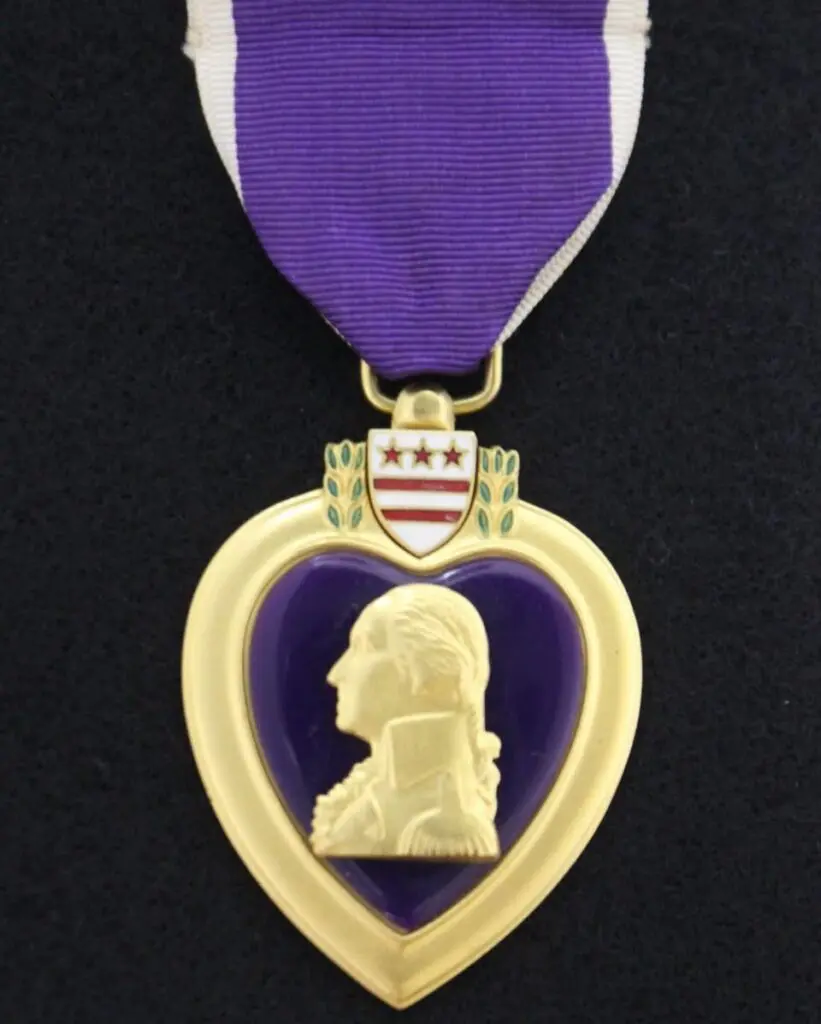
On February 22, 1932—the 200th anniversary of George Washington’s birth—the War Department revived the decoration as the Purple Heart. War Department General Order No. 3 reestablished it in Washington’s memory and in recognition of his military achievements.
The modern Purple Heart initially recognized both meritorious service and combat wounds. During World War II, its purpose evolved into the distinction recognized today: an award honoring service members wounded or killed as a result of enemy action.
Its meaning is perhaps best understood not through regulations or dates, but through the individual stories carried by each medal.
A Father, a Son and the 2-503d Infantry
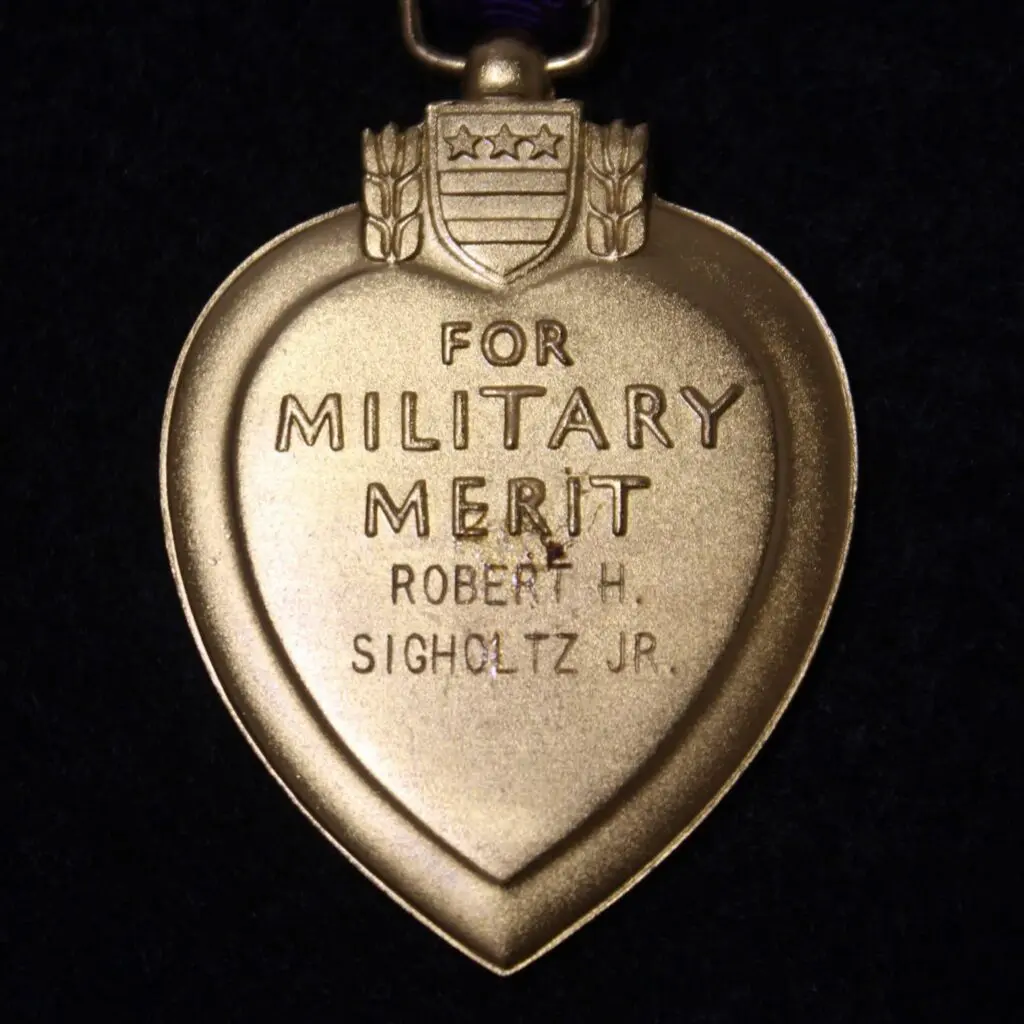
One Purple Heart preserved at the U.S. Army Airborne & Special Operations Museum was awarded posthumously to Captain Robert H. Sigholtz Jr.
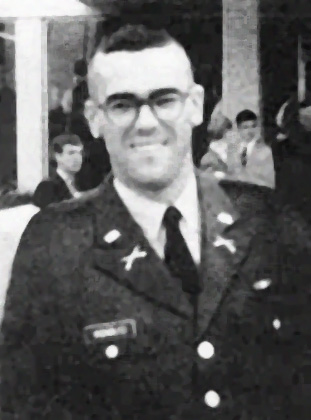
His story was closely connected to the 2d Battalion, 503d Infantry Regiment, 173d Airborne Brigade, and to the service of his father, Colonel Robert H. Sigholtz Sr.
On February 22, 1967, Colonel Sigholtz commanded the 2-503d during the only major combat parachute assault conducted by American forces in the Vietnam War.
Two years later, his only son was serving in the same battalion his father had commanded.
Captain Sigholtz Jr. was a rifle platoon leader in D Company, 2-503d Infantry Regiment. On May 26, 1969, he was mortally wounded by small-arms fire during a night ambush in Bình Định Province, South Vietnam.
His actions and service were recognized with the Silver Star, Bronze Star Medal and Purple Heart. Following his death, the Purple Heart was presented posthumously.
Colonel Sigholtz retired from the Army after the loss of his son.
Help Us Keep Telling Their Stories
Did you enjoy this content? If so, please consider leaving a donation so we can continue sharing the legacies of airborne and special forces soldiers.