
POW/MIA DAY
Three Things to Know About POW/MIA Recognition Day
Honoring America’s former prisoners of war and remembering the service members who have yet to return home.
The words “You Are Not Forgotten” stand at the heart of the national POW/MIA remembrance movement. They honor the American service members who endured captivity, those who returned home, and those whose fate remains unknown.
National POW/MIA Recognition Day calls the nation to remember their courage, acknowledge the sacrifices carried by their families, and continue the work of accounting for those who remain missing.
What is POW/MIA Recognition Day?
National POW/MIA Recognition Day is observed on the third Friday of September. Unlike many military observances, the date is not tied to one particular war. It honors former prisoners of war from every conflict and remembers the Americans who remain missing in action.
The observance was formally established in 1979 following years of advocacy by families seeking answers and full accountability for their missing loved ones. Ceremonies are now held across the country at military installations, government buildings, schools, veterans’ facilities, and other places of remembrance.
Thousands of Americans Remain Unaccounted For
More than 80,000 Americans remain missing from conflicts dating back to World War II. Behind that number are individual service members, families who have waited for answers, and generations committed to bringing them home.
The Defense POW/MIA Accounting Agency continues the worldwide mission to recover missing personnel, identify remains, and provide the fullest possible accounting to their families and the nation.
The Creation of the POW/MIA Flag
In 1971, Mary Hoff—the wife of Navy Lt. Cmdr. Michael Hoff, who was listed as missing in action during the Vietnam War—helped develop the idea for a national flag that would keep America’s missing service members in the public consciousness.
World War II pilot Newt Heisley designed the black-and-white emblem. Its stark silhouette, guard tower, and barbed wire became one of the nation’s most recognizable symbols of remembrance, anchored by the promise: “You Are Not Forgotten.”
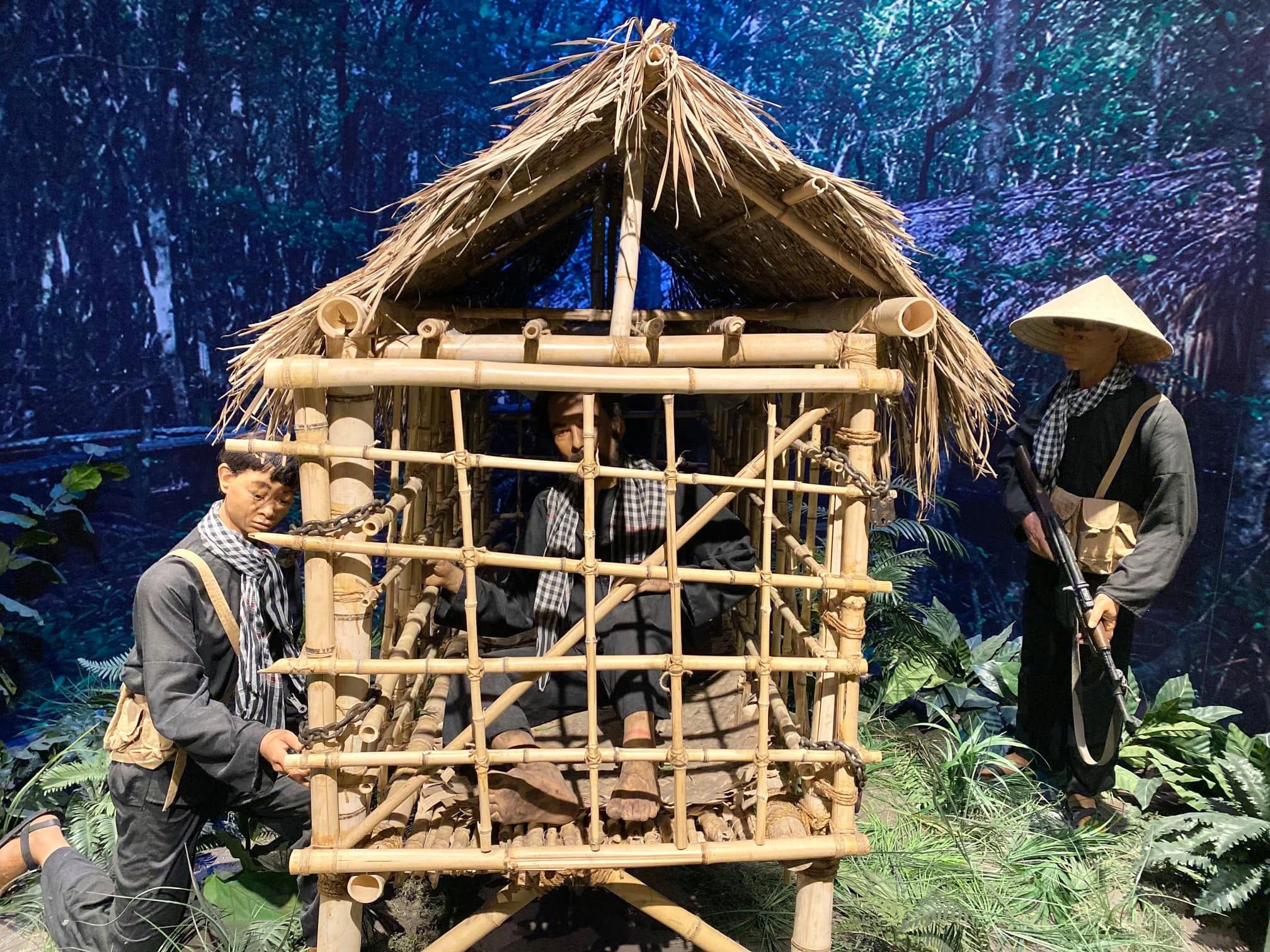
Five Years to Freedom: The Story of James “Nick” Rowe
As a Special Forces first lieutenant, James “Nick” Rowe deployed to Vietnam in 1963 to advise and assist the South Vietnamese government by helping organize, train, equip, and employ the Civilian Irregular Defense Group. On October 29, 1963, Rowe was captured by the Viet Cong during a CIDG operation alongside Capt. Humbert R. “Rocky” Versace and Sgt. Daniel L. Pitzer.
During his captivity, Rowe was moved among POW camps in South Vietnam and spent much of his imprisonment in the U Minh Forest—known as the “Forest of Darkness.” Confined in a cage and subjected to physical and psychological abuse, he continued to resist his captors and attempted to escape three times.
After returning home, Rowe became a powerful advocate for Survival, Evasion, Resistance, and Escape training for Soldiers serving in high-risk specialties. His work helped shape the Army’s SERE program and better prepare Special Forces Soldiers to avoid capture or survive captivity.
The photograph above shows a display in the U.S. Army Airborne & Special Operations Museum’s gallery recreating Rowe’s imprisonment.
Five Years to Freedom
Rowe’s memoir documents his capture, resistance, repeated escape attempts, and extraordinary journey home after five years as a prisoner of war.
A portion of all Museum Store sales helps fund Museum exhibits and programs.
Shop the BookHelp Keep Their Legacies Alive
Your support helps the Foundation preserve history, develop educational programs, and share the stories of America’s Airborne and Special Operations Soldiers with future generations.
Support the Museum