
Lindsay Lecture Series Event With Andrew Bragg
Join us for this exclusive event with Andrew Bragg, author of “The Devil’s Playground.”
Click here to reserve your spot.
All active duty service members get in free upon registration.
ABOUT THE AUTHOR
 Andrew Bragg is a combat veteran who served in the US Army for four and a half years after graduating high school. During his time in the military, he served as an infantryman and deployed twice to Afghanistan, first with the 173rd (1-503rd PIR) for a fifteen month deployment and second with the 82nd (2-508th PIR) for a twelve month deployment. He grew up in Hilliard Ohio but has moved west since getting out of the military. He worked as an EMT while going through school and graduated with a degree in Mechanical Engineering. Currently, he lives his days in the Rockies where he enjoys rock climbing, hunting, and various other outdoor activities while spending time amongst friends and family.
ABOUT THE BOOK
“As A merica assesses the value of our intervention in Afghanistan and involvement in future foreign wars, we must always consider the price. Andrew and his friends’ service was valorous and honorable. His authentic perspective of the environment and the eye-opening costs to our soldiers is sobering. These accounts should be mandatory reading for foreign policy makers and defense department leaders.” ― Major General (Ret.) Brian Mennes, United States Army, Former Fury 6
“The Devil’s Playground” was anything south of the second canal to the men of Charlie Company’s 2nd Platoon—Two Charlie—during their 2009–2010 deployment to the Arghandab River Valley in Afghanistan. The valley had been a notorious hot spot throughout history, with the Russians unable to maintain a foothold in the 80s and Coalition forces now facing the same problem during Operation Enduring Freedom.
The Two Charlie paratroopers deployed as part of the 2-508th PIR, Two Fury, of the 82nd Airborne Division, but always seemed to be on their own. They started their deployment attached to Canadian forces in Panjwai but were shortly moved into the Arghandab with one of the battalion’s biggest Areas of Operation. They inherited a bare bones outpost that they worked hard to turn into the defendable position known as COP Tynes, while patrolling the grape fields and orchards of the valley. Little did they know that when the leaves returned to the valley in the spring, so too would the fighting.
As the fighting picked up in the valley, the men of Two Charlie continued to sustain casualties as they fought day in and day out. There was never a dull moment in the Arghandab, and the fact that Two Charlie had to patrol, act as a quick reaction force, and secure their outpost on their own ensured that they never stopped. The men were constantly brought to their breaking point as their numbers dwindled and the fighting intensified. The men all started to believe that they weren’t going to make it out of the valley alive. The one rule of the valley would be proved time and time again: in the end, the valley always wins.
This book shares the story of the men of Two Charlie and their fight for survival in the Arghandab River Valley, the Devil’s Playground.
OPENING THE VAULTS: Treasures of the Fort Liberty Museums
Opening the Vaults: Treasures of the Fort Liberty Museums” is a temporary exhibition that showcase some of the rarest collection pieces from the Fort Liberty Museums, made up of the ASOM, 82nd Airborne Division War Memorial Museum, JFK Special Warfare Museum, and the U.S. Army Reserve Command History Office.
Visitors will have a behind the scenes look at unique artifacts dating back to the American Civil War (1861-1865) to the present day used or captured by Soldiers on the battlefield, along with historical context. “Opening the Vaults” will be at the ASOM through December 29, 2024.
About the Fort Liberty Museums:
The 82nd Airborne Division War Memorial Museum is located at Ardennes and Gela Streets on Fort Liberty. Established in 1945, the museum chronicles the history of the 82nd Airborne Division from 1917 to the present.
The JFK Special Warfare Museum is located in Building D-2815 on the corner of Rock Merritt Avenue and Ardennes Street on Fort Liberty. Established in 1962, it operates under the umbrella of the United States Army John F. Kennedy Special Warfare Center and School (USAJFKSWCS), the schoolhouse for Special Forces, Civil Affairs and Psychological Operations. It shares the history of Special Operations Soldiers.
The U.S. Army Reserve Command History Office has over 20 offices, each with an individual mission and function that contributes to the accomplishment of the overall mission of the command. The History Office acts as the proponent of all historical activities within the Army Reserve, and accurately collects, preserves, interprets, and communicates the Army Reserve’s (AR) history and material culture to the USARC Commander, Decision Makers, the Force, and the Nation.
Established in August 2000, the ASOM is a first-class institution that efficiently and effectively captures, preserves, exhibits, and presents the material culture and heritage of the U.S. Army Airborne and Special Operations Forces from 1940 and into the future. The Museum celebrates over 80 years of Army Airborne and Special Operations history and honors our nation’s Soldiers – past, present, and future. Located at 100 Bragg Blvd in downtown Fayetteville, North Carolina, admission to the ASOM is free.
Memorial & Honor Gifts
A family may choose to remember a loved one with a Memorial gift or mark a special occasion such as a military retirement or promotion with an Honor gift. Monetary gifts in memory of a loved one may be directed to the Foundation as a donation or as contributions toward a personalized paver.
The Foundation sends acknowledgement letters for all gifts directly to the donors. In addition, we ensure the families of those being honored are also notified that a gift has been made.
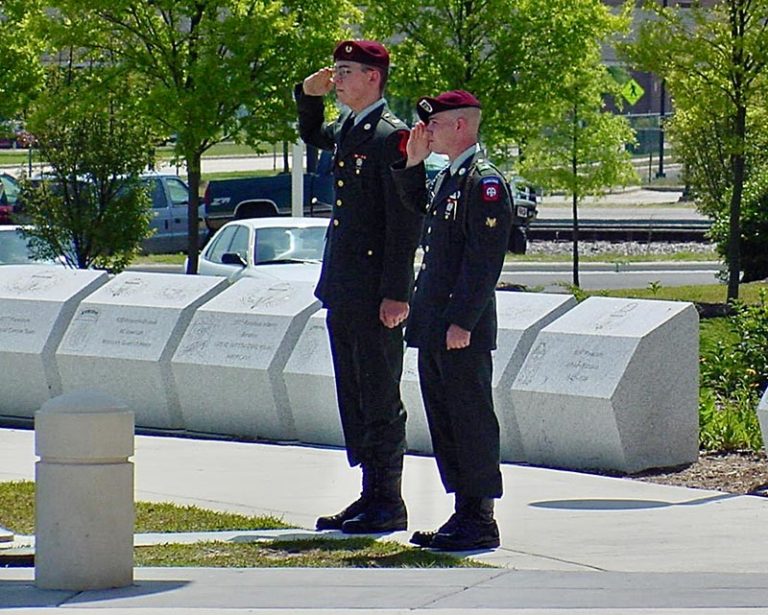
Honor the Past – Give a Gift to the Future

For over twenty-four years, the U.S. Army Airborne & Special Operations Museum has told the stories of service members who have fought valiantly to protect the liberty we hold most dear. The Museum has preserved and honored the legendary feats of our Airborne and Special Operations Soldiers.
Our heroes have stormed the beaches of Normandy, jumped into Korea, battled in the jungles of Vietnam, and are still fighting in the sands of Afghanistan, Iraq, Syria and points across the globe. These brave men and women in uniform have fought selflessly, protecting and defending our national security and freedom. Now, it is our turn to protect their legacy.
Today, you can honor the past by giving a gift to the future. Friends like you understand the importance of the Army’s Airborne and Special Operations history, and the importance of fulfilling our mission to inspire, engage and educate generations to come.
Become an annual Friend of the ASOM (link to Gift Shop Friend page) and stay connected to the legacy of the Airborne and Special Operations Soldiers, and you will be part of a larger effort to sustain our future. Museum Friends will hear first about new programs, special events, exhibits and ways to stay involved as a Museum supporter. Please consider your gift of support today to protect the legacy for years to come.
The Airborne & Special Operations Museum Foundation is a 501(c)3 and all gifts are tax-deductible according to the extent of the law. Our tax identification number is 56-1785731.
All contributions are fully tax deductible within the limits of federal and state laws. Under the new CARES Act: If you are 70 1/2 years old or older you may be eligible to make a Qualified Charitable Distribution (QCD) from your IRA. Please consult your tax professional or Financial Advisor for more information.
Recently, the ASOM Foundation earned a 2020 Silver Seal of Transparency from Guidestar. If you have any questions, please contact us: info@asomf.org.

Capital Campaign
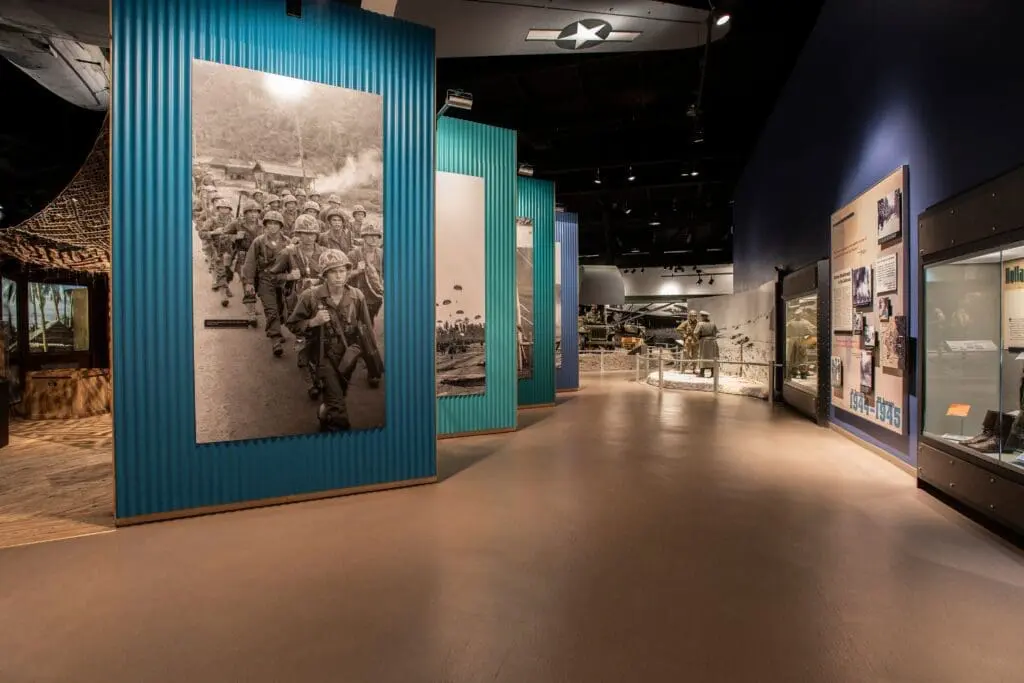
CAPITAL CAMPAIGN
In 2000, when the U.S. Army Airborne and Special Operations Museum opened, our nation was introduced to the milestone makers and groundbreakers of our time. Since then, the U.S. experienced 9/11 and 20-plus years of war and today we see Airborne and Special Operations Soldiers serving next to partner nations worldwide. As thousands of visitors enjoy the wide expanse of existing gallery space and exhibits, the U.S. Army Airborne & Special Operations Museum team is developing a state-of-the-art exhibit space plan to showcase more artifacts and events in military history.
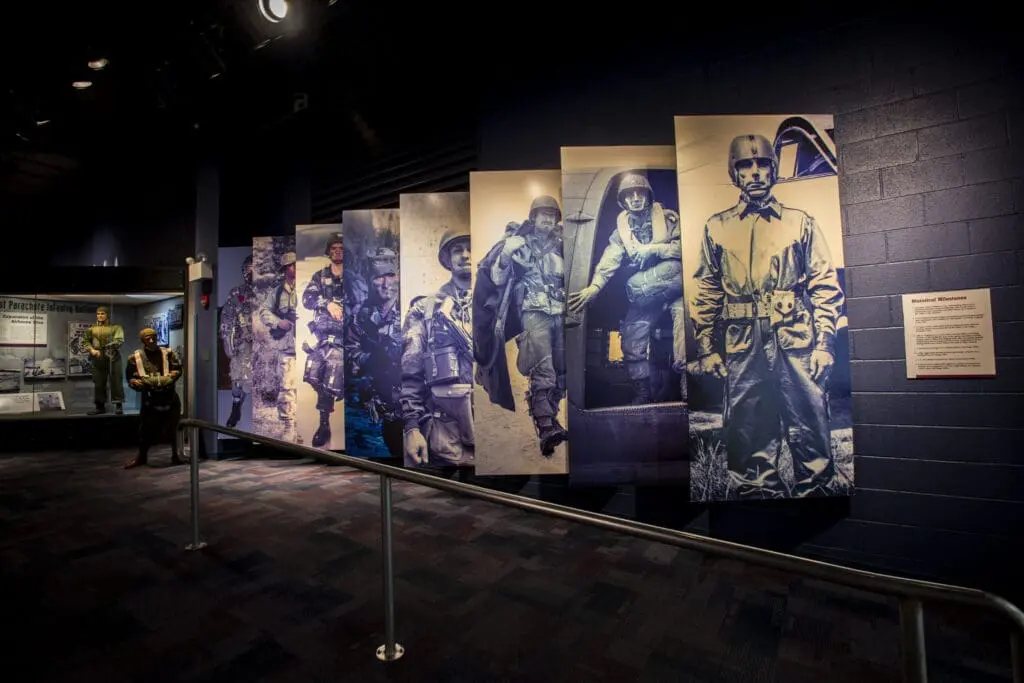
HONORING AMERICA’S HEROES
Embracing the legacy of Airborne & Special Operations Soldiers who came before us and who now continue with a greater purpose.
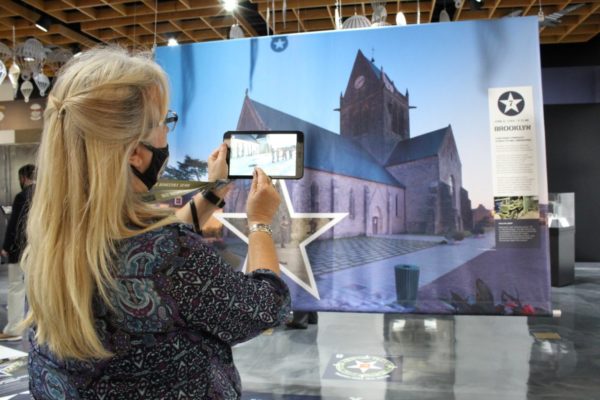
Work has begun on the Phase One concept designs, which includes World War I and World War II. In the next few years, visitors will be inspired by a transformed 21st century gallery with new artifacts, new stories, immersive exhibits, and interactive technologies to enhance the visitors learning experience. In this reimagined gallery, visitors will interact with history, walking in the footsteps of our nation’s elite Airborne and Special Operations Soldiers, with the aid of diverse multimedia, like sound, lights, images, and sensory effects. Using augmented reality, guests will have an opportunity to experience, in a very personal way, the inspiring acts of valor and bravery exhibited by our Army’s Airborne and Special Operations Soldiers, from World War II through the ongoing Global War on Terrorism.
Such an extensive gallery renovation brings with it an exciting future for visitors of all ages. But we need your help. Upgrading exhibits, installing groundbreaking technology, and creating a much improved and expanded platform for learning are essential as we continue to educate Soldiers and the public about the U.S. Army’s storied, Airborne and Special Operations legacy.
In 2000, when the U.S. Army Airborne and Special Operations Museum opened, our nation was introduced to the milestone makers and groundbreakers of our time. Since then, the U.S. experienced 9/11 and 20-plus years of war and today we see Airborne and Special Operations Soldiers serving next to partner nations worldwide. As thousands of visitors enjoy the wide expanse of existing gallery space and exhibits, the U.S. Army Airborne & Special Operations Museum team is developing a state-of-the-art exhibit space plan to showcase more artifacts and events in military history.
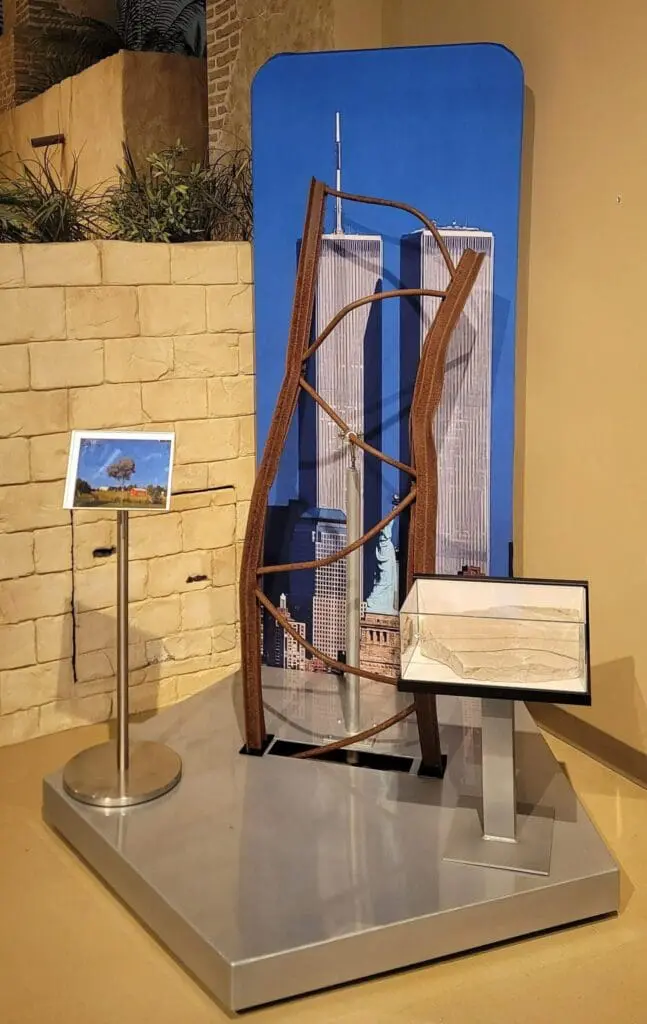
Make your pledge now or contact our Foundation executive director with your questions: execdir@asomf.org.
The Airborne & Special Operations Museum Foundation is a 501(c)3 and all gifts are tax-deductible according to the extent of the law. Our tax identification number is 56-1785731.
All contributions are fully tax deductible within the limits of federal and state laws. Under the new CARES Act: If you are 70 1/2 years old or older you may be eligible to make a Qualified Charitable Distribution (QCD) from your IRA. Please consult your tax professional or Financial Advisor for more information.
Recently, the ASOM Foundation earned a 2020 Silver Seal of Transparency from Guidestar. If you have any questions, please contact us: info@asomf.org.
Endowment
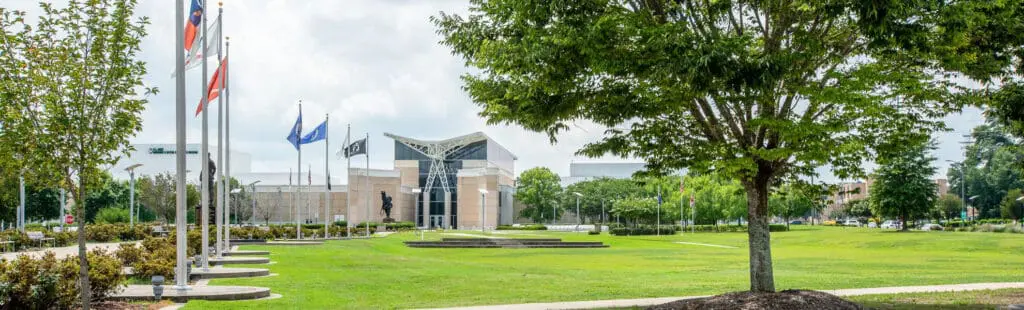
Donors have an option to give a gift of any size to the ASOM forever through the Airborne & Special Operations Museum Foundation Endowment. Gifts may be dedicated to honor or memorialize a family member, friend or business associate. This is especially appropriate for someone who has served in Airborne or Special Operations units.
Our endowment is owned and managed by the Cumberland Community Foundation, which for 40 years has provided essential funding to improve the quality of life here in Cumberland County. One hundred percent of each contribution is added to the principal of the fund, and only investment earnings are used to support operations and programming at the ASOM.
Gifts to the Airborne & Special Operations Museum Foundation Endowment can be made in cash, publicly traded securities, mutual fund shares, tangible personal property or real estate. Any of these or other assets may be given outright or bequeathed to the Airborne & Special Operations Museum Foundation Endowment. The endowment may also be designated as a beneficiary of an insurance policy or will. Please contact the ASOM Foundation Executive Director for more information.
General James Lindsay Endowment
On August 5th, 2023, the world lost a great American and Soldier, General (Ret) James J. Lindsay.
General Lindsay was an American Soldier and leader known by all to have extraordinary physical bravery and moral courage on the battlefield as well as uncompromising integrity throughout his service. Many don’t realize that he was also one of the driving forces behind the U.S. Army Airborne and Special Operations Museum (ASOM).
While serving at Fort Liberty, then called Fort Bragg, General Lindsay had a vision of a facility to stand as a memorial to the character and values of the men and women of America’s airborne and special operations forces.
In an interview following General Lindsay’s acceptance of Fayetteville’s Hometown Hero Award in 2018, he stated the first meeting to talk about the possibility of a museum focusing on airborne and special operations troops was held during the first week of August 1990. The museum initially was going to be built on post and a groundbreaking event was held but funding unfortunately fell through. Despite this setback, Lindsay did not give up on this dream. With General Lindsay’s guidance, community leaders and the United States Army joined forces to bring his vision to fruition. On August 16, 2000 (National Airborne Day) the museum opened to the public to much fanfare. General Lindsay served as President Emeritus of the Airborne and Special Operations Museum Foundation until his passing.
In celebration of the life and leadership of General Lindsay, a Designated Endowment Fund was created through the Cumberland Community Foundation to support the mission and programs of the Airborne and Special Operations Museum Foundation.
In the photo below, General Lindsay, center, and on the left then-Chairman of the Joint Chiefs of Staff General Hugh Shelton and on his right, the late H. Ross Perot. Sr. and other business leaders can be seen cutting the ribbon at the Museum’s grand opening- a dream that took over ten years to come to fruition.

A VIRTUAL BOOK DISCUSSION WITH RICK BEYER
In the summer of 1944, a handpicked group of young GIs—including such future luminaries as Bill Blass, Ellsworth Kelly, Arthur Singer, Victor Dowd, Art Kane, and Jack Masey—landed in France to conduct a secret mission. Armed with truckloads of inflatable tanks, a massive collection of sound-effects records, and more than a few tricks up their sleeves, their job was to create a traveling road show of deception on the battlefields of Europe, with the German Army as their audience.
From Normandy to the Rhine, the 1,100 men of the 23rd Headquarters Special Troops, known as the Ghost Army, conjured up phony convoys, phantom divisions, and make-believe headquarters to fool the enemy about the strength and location of American units. Between missions the artists filled their duffel bags with drawings and paintings and dragged them across Europe. Every move they made was top secret and their story was hushed up for decades after the war’s end. The Ghost Army of World War II is the first publication to tell the full story of how a traveling road show of artists wielding imagination, paint, and bravado saved thousands of American lives.


About the Author
Rick Beyer is a best-selling author, an award winning documentary producer, and a long-time history enthusiast. With a take on history that is both humorous and illuminating, he has appeared on CBS News, MSNBC, CNN, The Discovery Channel, NPR and Fox News.
Rick wrote and produced the PBS documentary The Ghost Army, which premiered on PBS in 2013. He also co-authored (with Elizabeth Sayles) the New York Times bestseller, “The Ghost Army of World War II”. The book and documentary are currently being developed as a Hollywood movie by (American Sniper) producer Andrew Lazar and Universal Studios.
Please enjoy this recording of the webinar that originally took place on March 23, 2021. The moderator for this event was ASOM Curator, Jimmie Hallis.
Donate
ARE YOU A NEW DONOR?
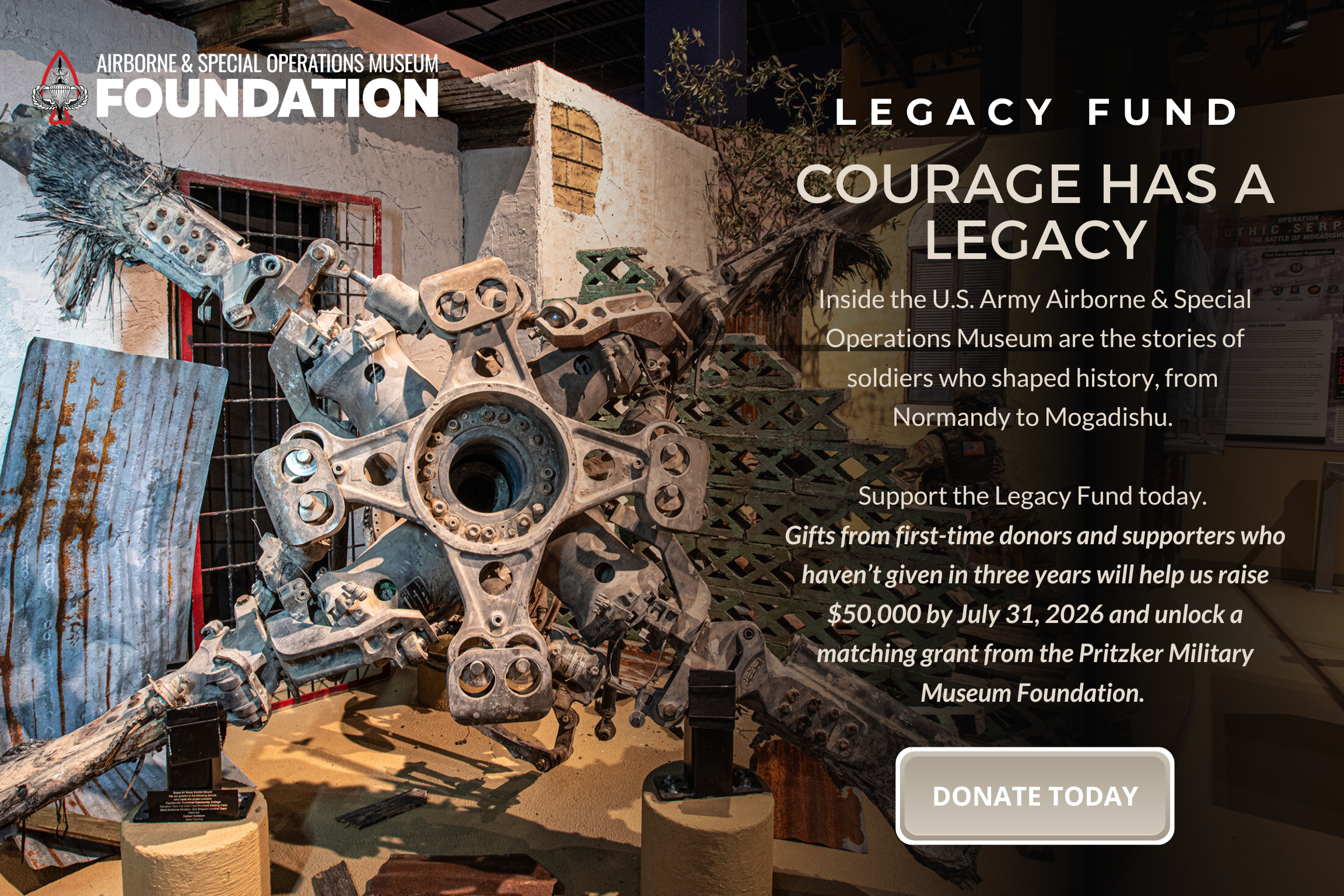
Donate to our Legacy Fund!
Donate to our Legacy Fund! With your generous support, we aim to raise up to $50,000 over two years. The Pritzker Military Foundation will match every dollar donated, effectively doubling your impact! These funds are vital for maintaining our daily operations and continuing to serve our visitors and the public effectively. Every contribution, big or small, will make a significant difference.
HAVE YOU DONATED IN THE LAST THREE YEARS?
Thank you for being a recurring donor!
While government funds, museum memberships, tribute gifts, museum store purchases, and contributions from individuals within the past three years do not qualify for the Iron Mike Challenge, your generosity is still deeply valued and essential to our mission.
Your donation directly supports our vision of a museum that preserves and honors the stories and legacies of Airborne & Special Operations soldiers. By giving, you become part of a dedicated team committed to remembering and celebrating those who have sacrificed so much for our country’s freedom and democracy.
We appreciate your support in helping the U.S. Army Airborne & Special Operations Museum preserve the past and inspire future generations.
For your privacy and protection, this form and the information you submit are securely housed on a protected server.
Important Tax Information
The Airborne & Special Operations Museum Foundation is a 501(c)3 and all gifts are tax-deductible according to the extent of the law. Our tax identification number is 56-1785731. The Airborne & Special Operations Museum Foundation is a non-federal entity. It is not a part of the Department of Defense or any of its components and it has no governmental status.
All contributions are fully tax deductible within the limits of federal and state laws. Under the new CARES Act: If you are 70 1/2 years old or older you may be eligible to make a Qualified Charitable Distribution (QCD) from your IRA. Please consult your tax professional or Financial Advisor for more information.
Recently, the ASOM Foundation earned a 2020 Silver Seal of Transparency from Guidestar. If you have any questions, please contact us: info@asomf.org.

Who was Private First Class Roland Leon Bragg?
Fort Bragg is back—but this time, its name honors a different legacy. Originally named after a Confederate General, the installation was renamed Fort Liberty in 2023. Now, in a historic shift, it once again carries the name Fort Bragg—this time in tribute to Private First Class Roland Bragg, a soldier who embodied courage, sacrifice, and service. But who was PFC Bragg, and why does his story deserve to be remembered? Let’s take a closer look at the man behind the name and the legacy he leaves behind.

(11 June 1923-12 January 1999)
Headquarters and Headquarters Company,
3d Battalion, 513th Parachute Infantry Regiment, 17th Airborne Division.
Private First Class (PFC) Roland L. Bragg, from Sabattus, Maine, enlisted in the Army on 7 July 1943, volunteering for airborne duty. He was assigned to the 513th Parachute Infantry Regiment, 13th Airborne Division at Fort Benning, Georgia. In January 1944, the unit moved to North Carolina, initially at Fort Bragg and then Camp Mackall. By March, they moved to the Tennessee Maneuver Area, integrating into the 17th Airborne Division, where they engaged in extensive maneuvers that simulated combat, readying PFC Bragg, and his fellow paratroopers for action in Europe. On 20 August, the regiment moved out with the division for Camp Chisledon, England, to continue its training. The 513th remained in England until they headed to Rheims, France in late December.
During the Battle of the Bulge, the 513th Parachute Infantry Regiment launched an assault on Flamierge, Belgium, battling fierce resistance and brutal winter conditions. In February 1945, PFC Roland Bragg was wounded and briefly captured alongside Lieutenant McLain. However, refusing to be taken prisoner, Bragg made a daring escape. He commandeered a German ambulance, using it to save fellow paratroopers by driving 20 miles through enemy-held territory to an Allied hospital in Belgium, all while under constant enemy fire. Later that evening, Bragg returned to Flamierge with critical ammunition, despite his own injuries, and was treated for wounds to his hand. He rejoined his unit in April 1945, missing Operation VARSITY. For his extraordinary bravery and sacrifice, Bragg was awarded the Silver Star Medal and the Purple Heart.
In honor of PFC Roland Bragg’s valor in the Battle of the Bulge, on 10 February 2025, the Secretary of Defense redesignated Fort Liberty as Fort Bragg. Bragg’s commitment as a paratrooper during World War II, serves as a powerful inspiration and a standard for all personnel at the installation.
Did you enjoy this content?
Consider making a donation to the ASOM today. Every contribution, no matter the size, helps us continue our mission of educating the public about the remarkable legacies of airborne and special operations soldiers. Your support makes a lasting impact!
Timeline of D-Day and the Roles Airborne and Special Operations Soldiers Played
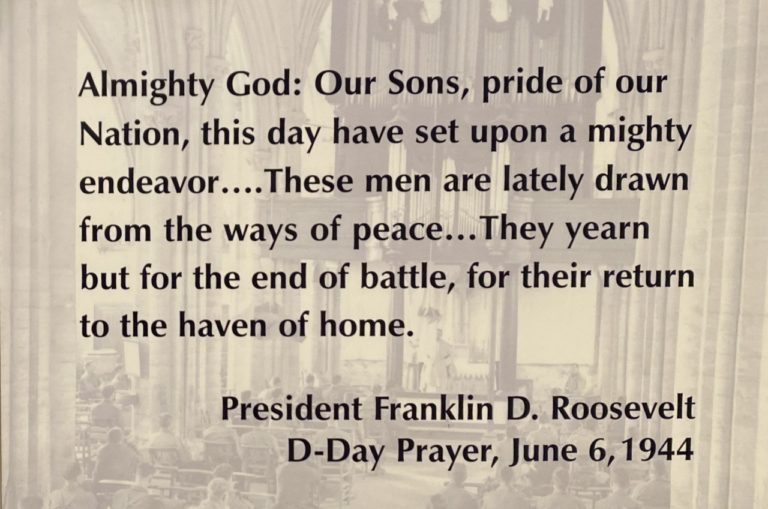
U.S. Army ground forces were to land on Omaha and Utah Beaches on the East side of the Carentan Peninsula, and then capture the port of Cherbourg. The Seaborne landing on Utah Beach would be preceded by parachute and glider assaults by the 82nd and 101st Airborne Divisions.
In 1943 the Allies decided upon an invasion of Northwest Europe in May 1944. Landing in Normandy, they would capture the channel ports and secure an area for further ground and air operations. Airborne landing in support of the seaborne assault were considered essential to the success of the entire invasion.
.
The 101st Airborne Division’s Role
The 101st Airborne Division was given the task of clearing the way for the seaborne assault by seizing the western exits of four causeways that crossed marshy areas just inland from Utah Beach and then organizing the southern flank of the beachhead. It would also establish bridgeheads across the Dove River for a later drive to the city of Carentan.
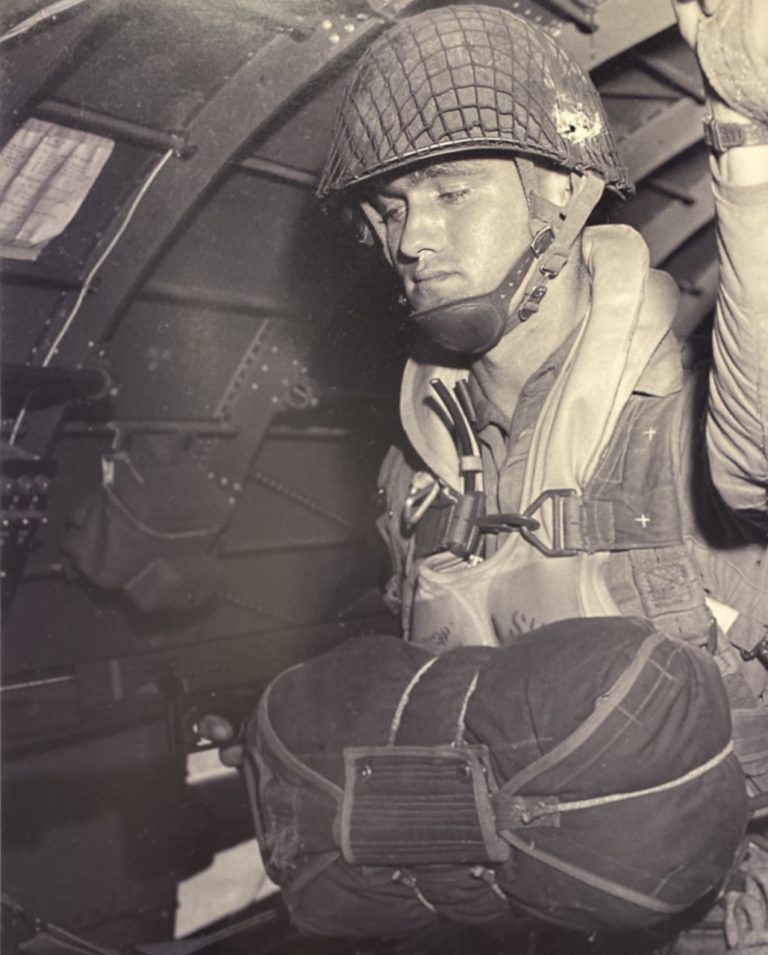
Pictured of a 101st Airborne Division trooper prepares to jump on D-Day.
The Filthy 13
Demolitions Platoon, 3d Battalion, 506th Parachute Infantry Regiment, 101st Airborne Division; nicknamed the Filthy 13.
The Mohawks and war paint were the idea of Private Jake McNiece, who shaved his head to keep away lice, but told the men it was part of his Native American culture, as he was part Choctaw.
The platoon’s mission had the troopers landing south of Vierville and head to the bridges at Le Port on the river Douve and blow or hold the bridges against German counteract. The C-47 plane carrying the Filthy 13 was hit before the drop zone and the men jumped as the plane lost altitude.
The paratroopers set demolition charges on the bridges and waited for the German attack. The Germans came at them, but the Americans held out. On the third day, P-51 Mustangs came and bombed the bridges, unaware it was in American hands, then strafed the paratroopers. Of the Filthy 13, six were sent back to England fit for duty- the rest were killed, wounded, or captured.
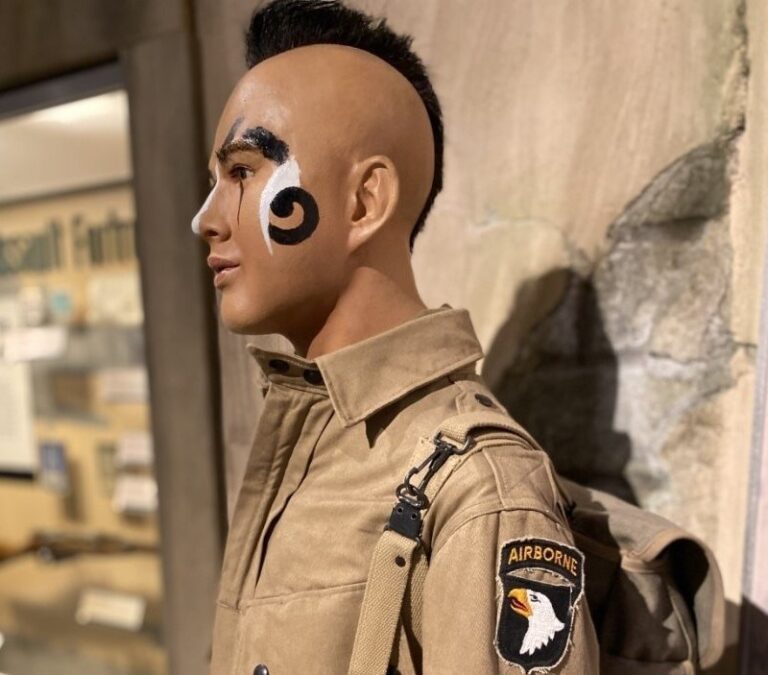
Pictured is a recreation of one of the members of the Filthy 13 on exhibit at the ASOM.
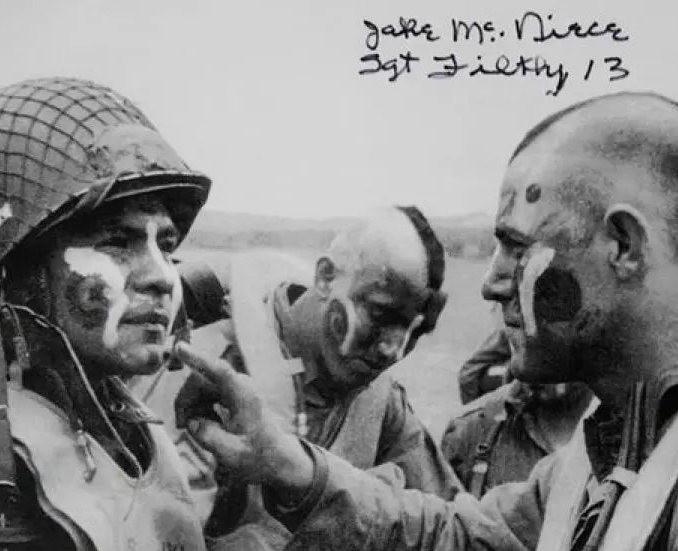
A picture of Jake McNiece, right, applying paint to a fellow paratrooper before D-Day.
The 82nd Airborne Division’s Role
The 82nd would secure the Western edge of the bridgehead by capturing St. Mere Eglise, a key town on the road to Cherbourg. It would also establish deep bridgeheads across the Merderet River to facilitate later attacks to the west.
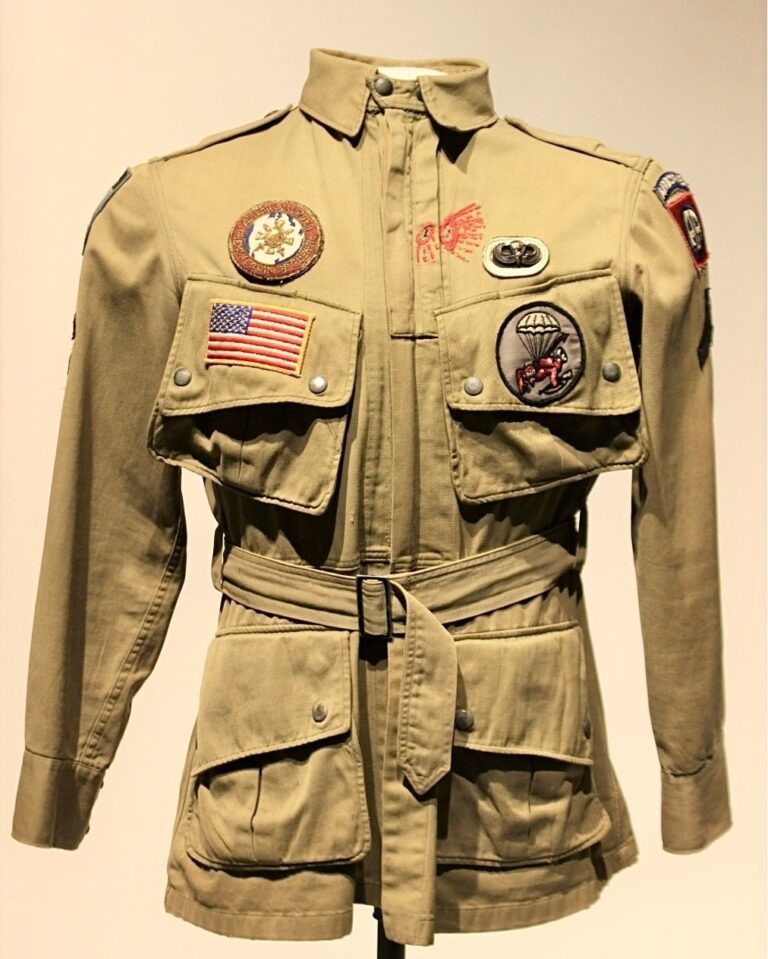
Pictured below is the coat that Private Bob Rooney wore on D-Day. He was wounded during the jump and later embroidered the bullet hole in red.
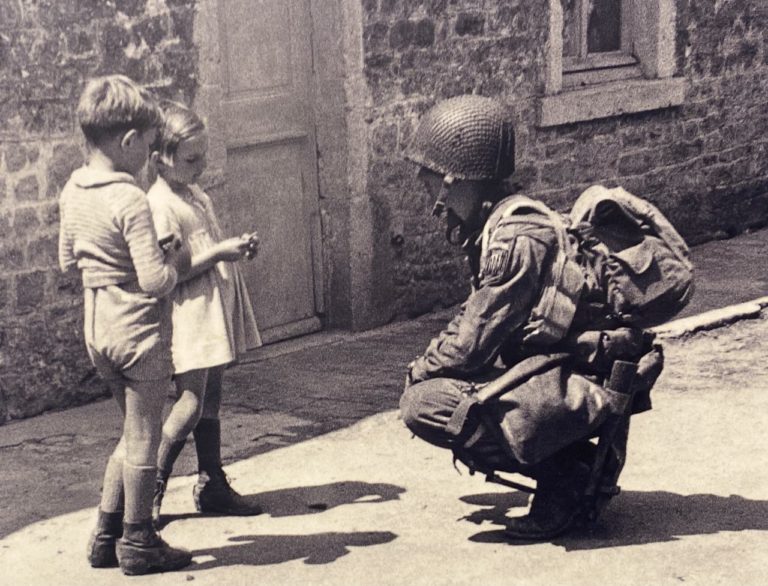
Children from Sainte-Mere-Eglise talk to an 82nd trooper, despite the ongoing battle raging around the town.
The Role of the Rangers
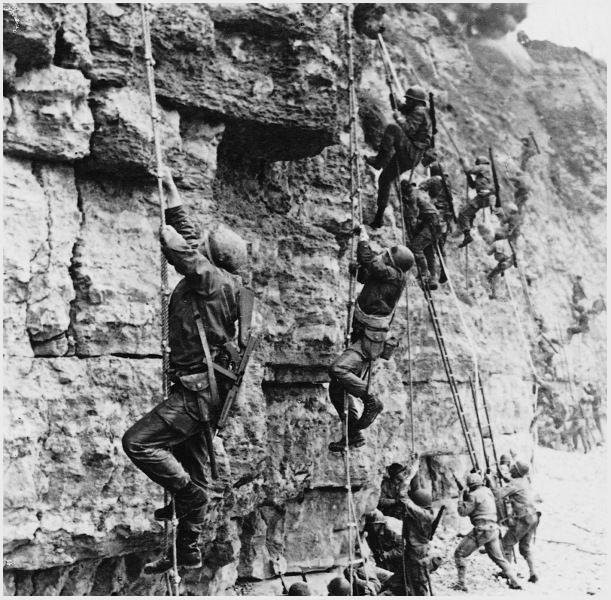
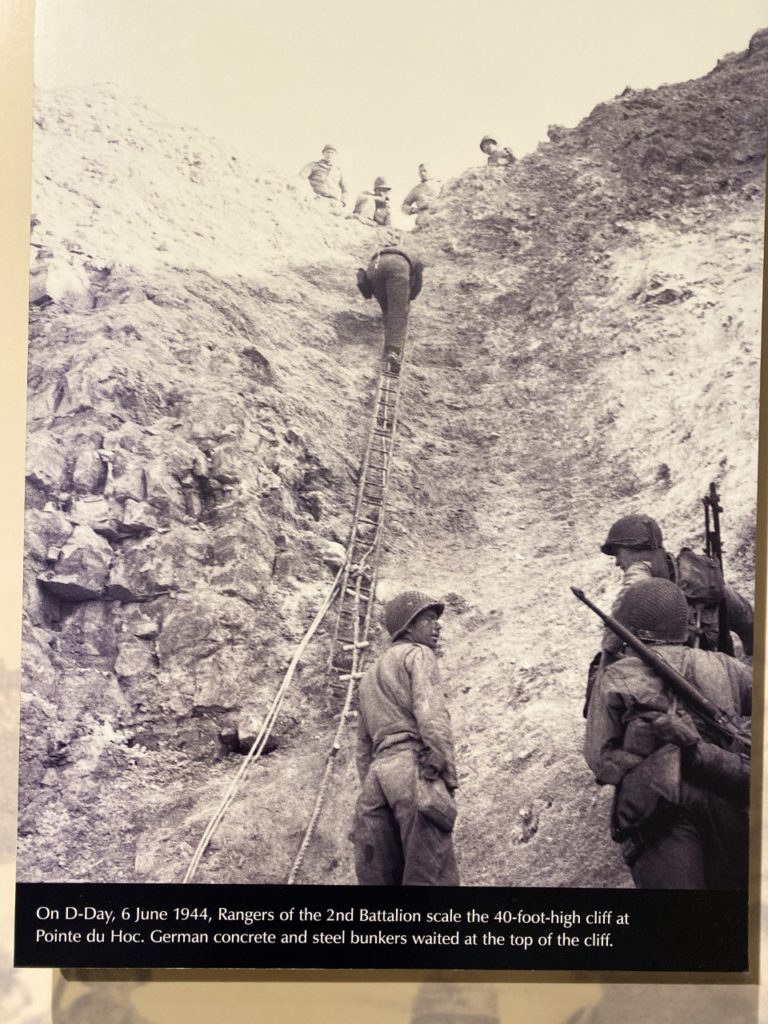
The 2nd Ranger Battalion was assigned the mission of landing by sea and scaling the cliffs at Pointe du Hoc to knock out a battery of German heavy artillery. Rangers from the 2nd and 5th Ranger Battalion would also land on Omaha Beach.
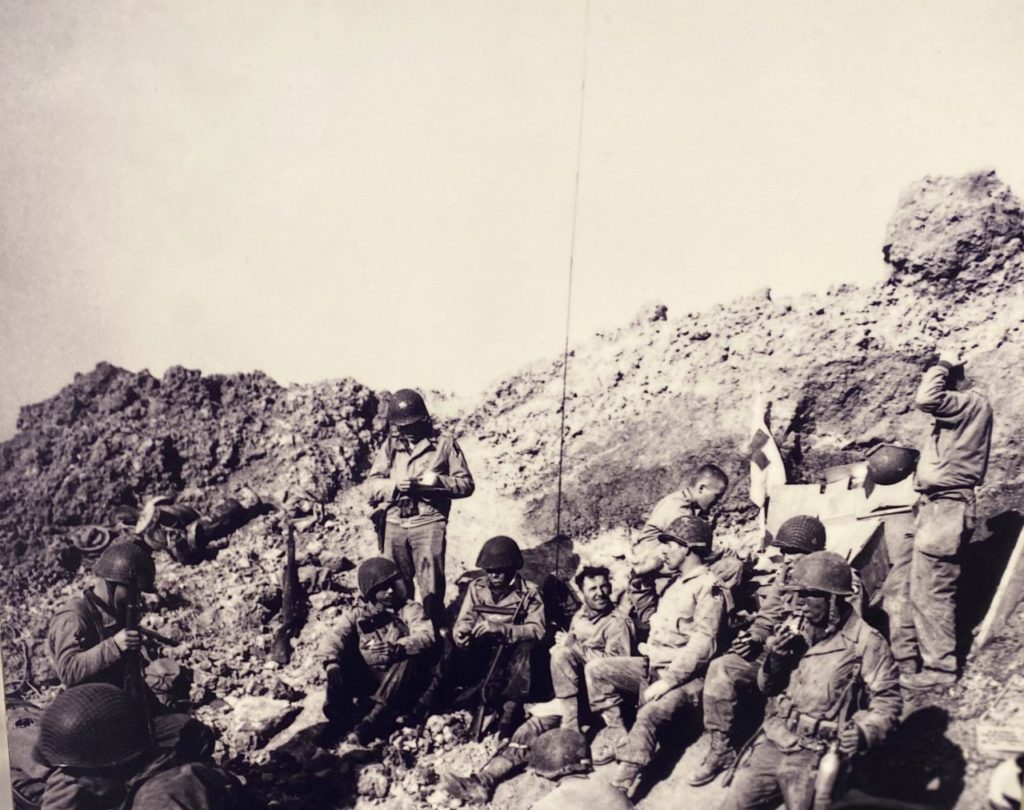
Pictured are Rangers atop Pointe Du Hoc, D-Day, 6, June 1944. Rangers had to fight their way up these cliffs at Pointe du Hoc. From the top, German defenders threw hand grenades and fired at them from fortified positions.
The Outcome
Every D-Day mission assigned to Airborne and Special Operation Units was daunting and carried out in the face of ferocious opposition by the German defenders. Once the mission was underway, things began to go very wrong: American parachute units were badly scattered, Rangers climbed Pointe du Hoc only to find the German guns had been moved, and other Ranger companies landed at Omaha Beach directly into a storm of German machine gun fire. But training, leadership, extraordinary courage and sacrifice won a permanent foothold on the continent. The 82nd Airborne Division’s Commander Matthew B. Ridgway summed up the Normandy campaign this way…”33 days of action without relief, without replacement. Every mission accomplished. No Ground gained ever relinquished.”
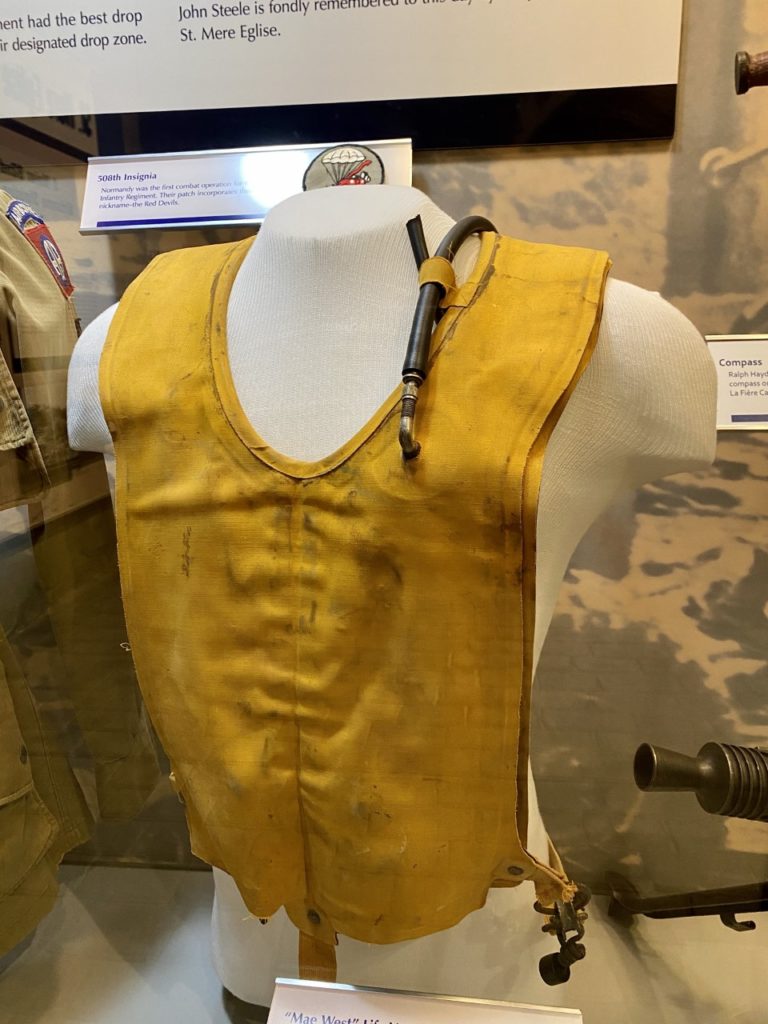
“Mae West” Life Vest: Despite life vests like this, the 507th PIR suffered the worst drop of the day when 25 troops drowned after being dropped into rivers and marshes.
Commemorate the 81st Anniversary of D-Day At the ASOM!
If you can’t make it to France for the 81st anniversary of D-Day, plan a visit to the ASOM. Step aboard a C-47 Skytrain and walk through a recreated Normandy village, transporting you back to war-torn occupied France at the dawn of Europe’s liberation.
Trace the steps of Airborne and Special Operations Soldiers from Operation Torch in North Africa through their triumphs in Europe and the Pacific Theater. Explore the museum’s extensive World War II artifact collection and discover more about the men and women who served and fought for freedom.
Admission to the ASOM is free, but donations are greatly appreciated and needed.